×
- Hello
- Login or Register
- Quick Links
- Live Chat
- Track Order
- Parts Availability
- RMA
- Help Center
- Contact Us
- Shop for
- Kia Parts
- Kia Accessories

My Garage
My Account
Cart
Genuine Kia Sorento Brake Booster
Brake Power Booster- Select Vehicle by Model
- Select Vehicle by VIN
Select Vehicle by Model
orMake
Model
Year
Select Vehicle by VIN
For the most accurate results, select vehicle by your VIN (Vehicle Identification Number).
16 Brake Boosters found
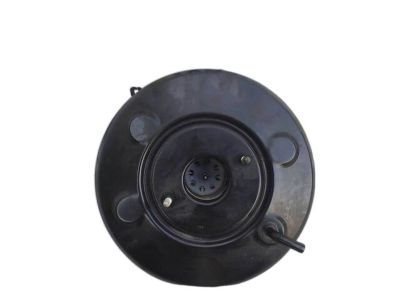
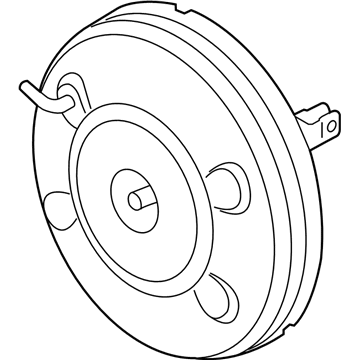

Kia Sorento Booster Assembly-Brake
Part Number: 59110C6700$414.01 MSRP: $595.87You Save: $181.86 (31%)Ships in 1-3 Business Days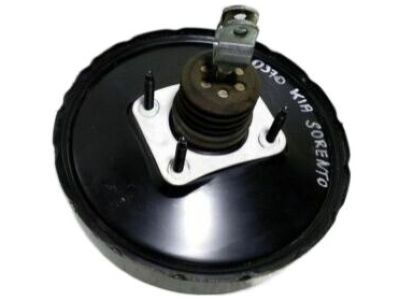


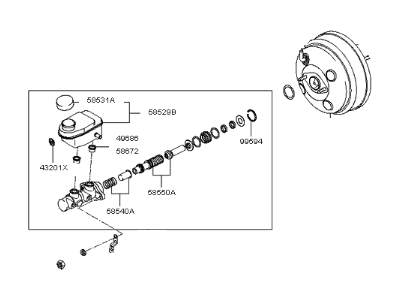

Kia Sorento Booster & Master Cylinder Assembly
Part Number: 591003E450$510.05 MSRP: $748.97You Save: $238.92 (32%)Ships in 1-3 Business Days
Kia Sorento Booster Assembly-Brake
Part Number: 591102W300$427.31 MSRP: $615.02You Save: $187.71 (31%)Ships in 1-3 Business Days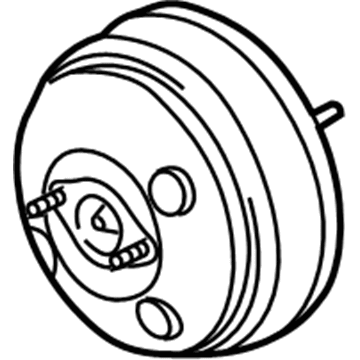

Kia Sorento Booster Assembly-Brake
Part Number: 591103E200$382.44 MSRP: $550.44You Save: $168.00 (31%)Ships in 1-3 Business Days
Kia Sorento Booster Assembly-Brake
Part Number: 591103E250$388.18 MSRP: $558.70You Save: $170.52 (31%)Ships in 1-3 Business DaysKia Sorento Booster & Master Cylinder
Part Number: 591003E560$518.48 MSRP: $741.75You Save: $223.27 (31%)Ships in 1-3 Business Days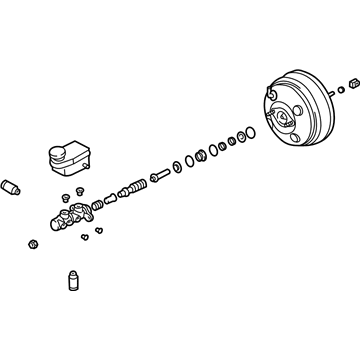
Kia Sorento Booster & Master Cylinder Assembly
Part Number: 591003E350$541.59 MSRP: $795.29You Save: $253.70 (32%)Ships in 1-3 Business Days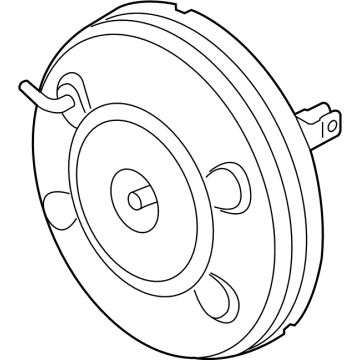

Kia Sorento Booster Assy-Brake
Part Number: 59110R5500$295.08 MSRP: $424.70You Save: $129.62 (31%)Ships in 1-3 Business Days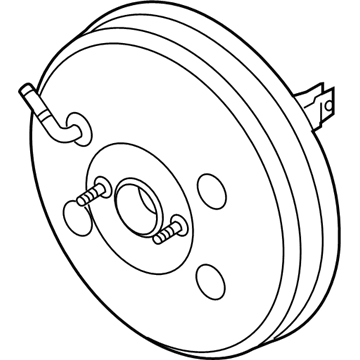

Kia Sorento Booster Assembly-Brake
Part Number: 591101U000$335.41 MSRP: $482.75You Save: $147.34 (31%)Ships in 1-3 Business DaysKia Sorento Booster Assembly-Brake
Part Number: 591101U100$372.45 MSRP: $536.05You Save: $163.60 (31%)Ships in 1-3 Business DaysKia Sorento Booster Assembly-Brake
Part Number: 591104Z300$387.34 MSRP: $557.49You Save: $170.15 (31%)Ships in 1-3 Business Days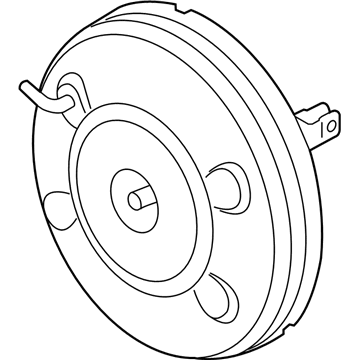
Kia Sorento Booster Assembly-Brake
Part Number: 59110C6900$414.01 MSRP: $595.87You Save: $181.86 (31%)Ships in 1-3 Business DaysKia Sorento Booster & Master Cylinder Assembly
Part Number: 591003E200$454.99 MSRP: $668.12You Save: $213.13 (32%)Ships in 1-3 Business DaysKia Sorento Booster & Master Cylinder Assembly
Part Number: 591003E300$462.44 MSRP: $679.07You Save: $216.63 (32%)Ships in 1-3 Business DaysKia Sorento Booster & Master Cylinder Assembly
Part Number: 591003E250$503.33 MSRP: $739.10You Save: $235.77 (32%)Ships in 1-3 Business Days
Kia Sorento Brake Booster
If you're in search of top-notch, reasonably priced OEM Kia Sorento Brake Booster, then you've found the perfect spot. Our website boasts an extensive inventory of Kia Sorento Brake Booster, all priced at the market's premier price. Rest assured, every genuine part we offer comes with a warranty straight from the manufacturer.
Kia Sorento Brake Booster Parts Questions & Experts Answers
- Q: How to inspect and maintain brakes and Brake Booster, and what are the signs that indicate a potential brake system defect on Kia Sorento?A:Brake inspections should happen every time wheels are removed or if a problem is suspected in addition to aftertime periods' elapse. Signals of faulty brake systems include the pulling of a vehicle to one side when any attempt to depress the pedal, squeaky sounds or rubbing noise on application and dragging brakes, extreme pedal travel distance, pulsations within pedals and even leakage of fluid for braking. First, loosen wheel lug nuts and then raise and secure the vehicle on jackstands before removing the wheels. The disc brakes can be visually inspected after removing the wheels hence each caliper with two pads; one outer and one inner pad. Lining material that falls below the specified thickness is replaced. In cases where doubts exist regarding pad thickness, or extra examination is necessary remove calipers clean pads using brake cleaner then take measurements of them. Replace any discs thinner than the specified minimum by measuring disc thickness using a micrometer only. Resurfacing may be required when discs have been marked by scoring, gouging, or burned spots. Inspect all brake lines and hoses for damage, wear, leaks etc., before putting back tires into place as well as solve these problems identified during inspection. Finally check your brake booster functionality as well as ensure its effectiveness during parking especially in Neutral state when you are at very steep hill so that it can inhibit rolling away while being parked thereon; thus requiring attention whenever this test fails on a given car model's parking system.
Related Kia Sorento Parts


Browse by Year
2023 Brake Booster 2022 Brake Booster 2021 Brake Booster 2020 Brake Booster 2019 Brake Booster 2018 Brake Booster 2017 Brake Booster 2016 Brake Booster 2015 Brake Booster 2014 Brake Booster 2013 Brake Booster 2012 Brake Booster 2011 Brake Booster 2010 Brake Booster 2009 Brake Booster 2008 Brake Booster 2007 Brake Booster 2006 Brake Booster 2005 Brake Booster 2004 Brake Booster 2003 Brake Booster