×
- Hello
- Login or Register
- Quick Links
- Live Chat
- Track Order
- Parts Availability
- RMA
- Help Center
- Contact Us
- Shop for
- Kia Parts
- Kia Accessories

My Garage
My Account
Cart
Genuine Kia Sportage Thermostat
Engine Coolant Thermostat- Select Vehicle by Model
- Select Vehicle by VIN
Select Vehicle by Model
orMake
Model
Year
Select Vehicle by VIN
For the most accurate results, select vehicle by your VIN (Vehicle Identification Number).
13 Thermostats found
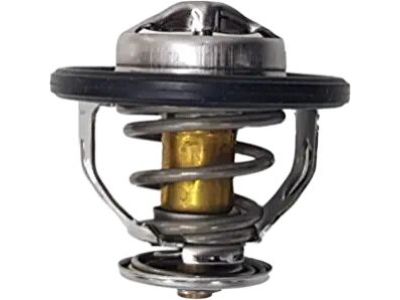
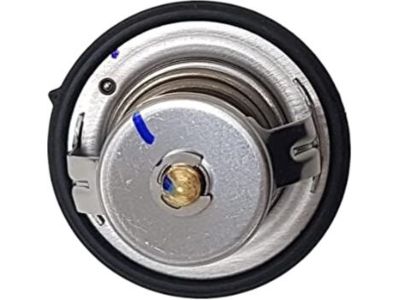
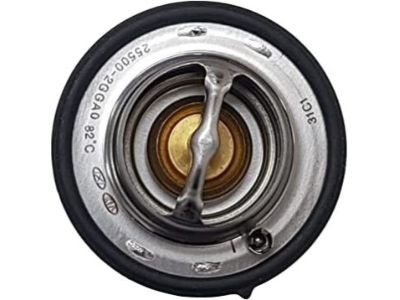


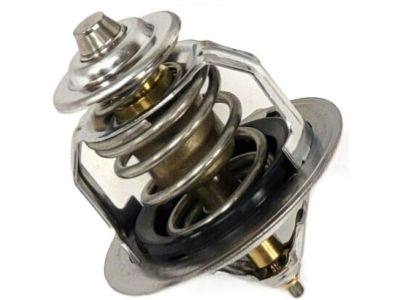

Kia Sportage Thermostat Assembly
Part Number: 2550026100$20.38 MSRP: $29.15You Save: $8.77 (31%)Ships in 1-3 Business Days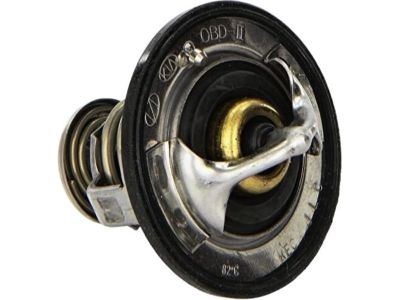
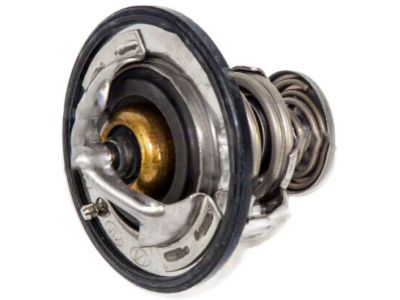


Kia Sportage Thermostat Assembly
Part Number: 2550037200$21.10 MSRP: $30.18You Save: $9.08 (31%)Ships in 1-3 Business Days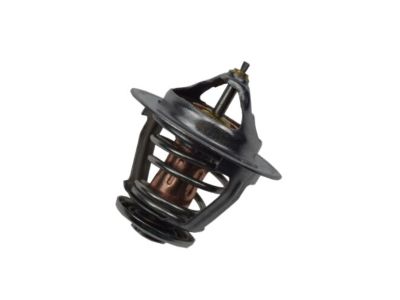

Kia Sportage Thermostat Assembly
Part Number: 2550023001$24.29 MSRP: $32.92You Save: $8.63 (27%)Ships in 1-2 Business Days
Kia Sportage Thermostat Assembly
Part Number: 2550023010$23.01 MSRP: $32.92You Save: $9.91 (31%)Ships in 1-3 Business Days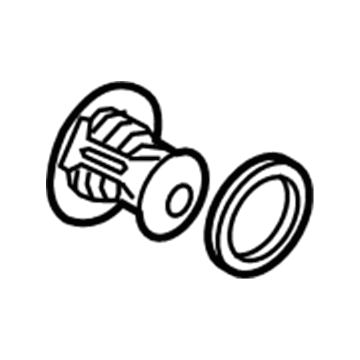
Kia Sportage Thermostat Assembly
Part Number: 255002GTA0$20.38 MSRP: $29.15You Save: $8.77 (31%)Ships in 1-3 Business Days

Kia Sportage CONTROL ASSY-COOLANT
Part Number: 256002S600$349.60 MSRP: $512.02You Save: $162.42 (32%)Ships in 1-2 Business Days

Kia Sportage CONTROL ASSY-COOLANT
Part Number: 256002S650$349.60 MSRP: $512.02You Save: $162.42 (32%)Ships in 1-2 Business Days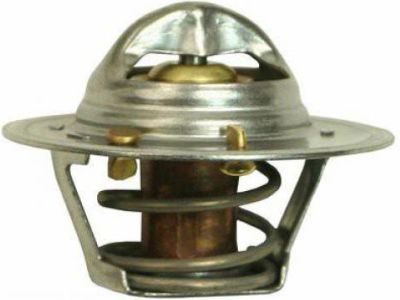

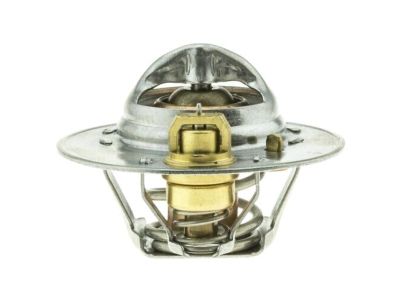
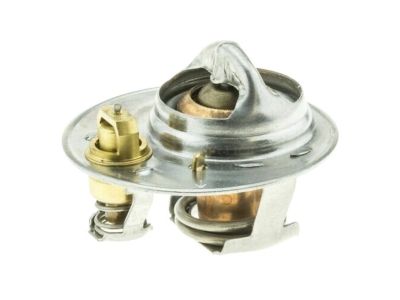
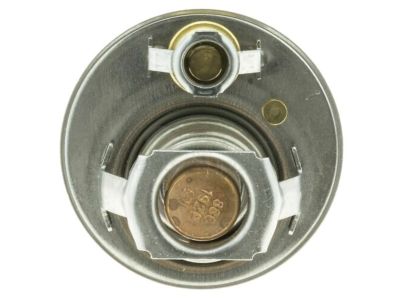
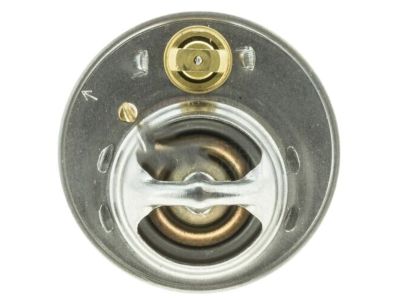
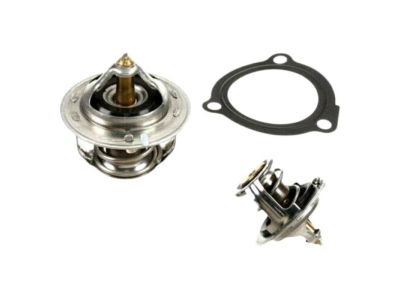


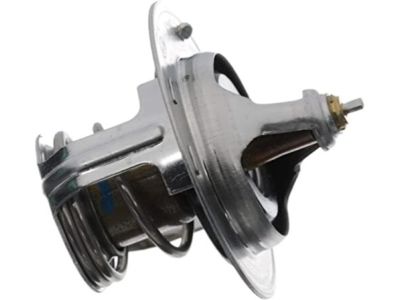
Kia Sportage Thermostat
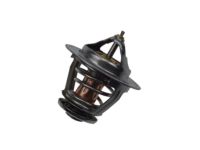
The Kia Sportage Automobile contains the Thermostat as part of the cooling system; it is located closely to the radiator so as to effectively control temperature of the engine. Its principal purpose is to regulate the temperature of the engine at an ideal level for proper functioning. Thermostat acts as a closed-loop control element with the ability to turn heating or cooling mechanism either on or off and control heat transfer fluids. Different types of thermostats have been used over the years in Kia Sportage, some of them being the mechanical types that include; bimetallic strips plus wax pellet thermostats. These mechanical thermostats are designed to open or close in relation to temperature variations and is mostly used to regulate engine temperatures. There are also changes in the type of technologies used where new types such as the pneumatic system where air filled tubes are used to control the temperature improves the overall functionality of the equipment.
If you're in search of top-notch, reasonably priced OEM Kia Sportage Thermostat, then you've found the perfect spot. Our website boasts an extensive inventory of Kia Sportage Thermostat, all priced at the market's premier price. Rest assured, every genuine part we offer comes with a warranty straight from the manufacturer.
Kia Sportage Thermostat Parts Questions & Experts Answers
- Q:How to Replace a Thermostat in a Cooling System on Kia Sportage?Posted by Jaymel G.A:Before deciding the thermostat is broken in cars made since 1998, first check both coolant levels and if the temperature gauge works properly. If your engine doesn't heat up normally, the thermostat might stay in the open position and need replacing. Since the engine stays hot while the top radiator hose stays cool, it means the thermostat has become stuck in its closed position and must be replaced. Keep the thermostat installed while driving to maintain good emissions and fuel economy. When your upper radiator hose is warm, it tells you that the thermostat is already open, making both hot and cold coolant move. Take out the battery cable from the negative terminal, empty all coolant while keeping good fluid for later use. The location of the thermostat housing cover is easy to find by looking along the upper radiator hose. Loosen the hose clamp, detach the hose, and you're good to go. Use pliers to either break the stuck seal or trim away an old hose when needed. Disconnect the thermostat housing cover and remove its fasteners. If the cover won't come off easily, hit it with a soft-faced hammer while being ready to deal with spilled coolant. Keep track of how you put in the thermostat and its gasket while noting the jiggle pin direction. Then get rid of the old thermostat and make the mating surfaces spotless. Put the jiggle pin on the 12 o'clock position when you install the new thermostat, with the spring end facing into the engine. Then place a factory-style gasket under it and put it in correctly like the old one. First apply RTV sealant, then put on the cover housing and tighten all fasteners. Return the hose to its place and secure it with the clamp, handling all restored items the same way. We replace the battery, refill the cooling system, start up the car, and test for leaks while making sure the thermostat works correctly.Answered by Kia Parts Specialist Austin / Nov 24, 2024
Related Kia Sportage Parts
 Kia Sportage Water Pump
 Kia Sportage Radiator
 Kia Sportage Radiator Hose
 Kia Sportage Coolant Reservoir
 Kia Sportage Cooling Hose
 Kia Sportage Thermostat Housing
 Kia Sportage Fan Shroud
 Kia Sportage Water Pump Gasket
 Kia Sportage Thermostat Gasket
 Kia Sportage Fan Motor
 Kia Sportage Fan Blade
 Kia Sportage Radiator Support
Browse by Year
2026 Thermostat 2025 Thermostat 2024 Thermostat 2023 Thermostat 2022 Thermostat 2021 Thermostat 2020 Thermostat 2019 Thermostat 2018 Thermostat 2017 Thermostat 2016 Thermostat 2015 Thermostat 2014 Thermostat 2013 Thermostat 2012 Thermostat 2011 Thermostat 2010 Thermostat 2009 Thermostat 2008 Thermostat 2007 Thermostat 2006 Thermostat 2005 Thermostat 2002 Thermostat 2001 Thermostat 2000 Thermostat 1999 Thermostat 1998 Thermostat 1997 Thermostat